Home | Jessica Giddens DNP, BA, APRN, PMHNP-BC, RN-BC |

Healthcare Provider, Professor

  • Publications
  • Webcasts
  • Podcast
  • Radio
  • Bio
  • Presentations
  • CV / Resume
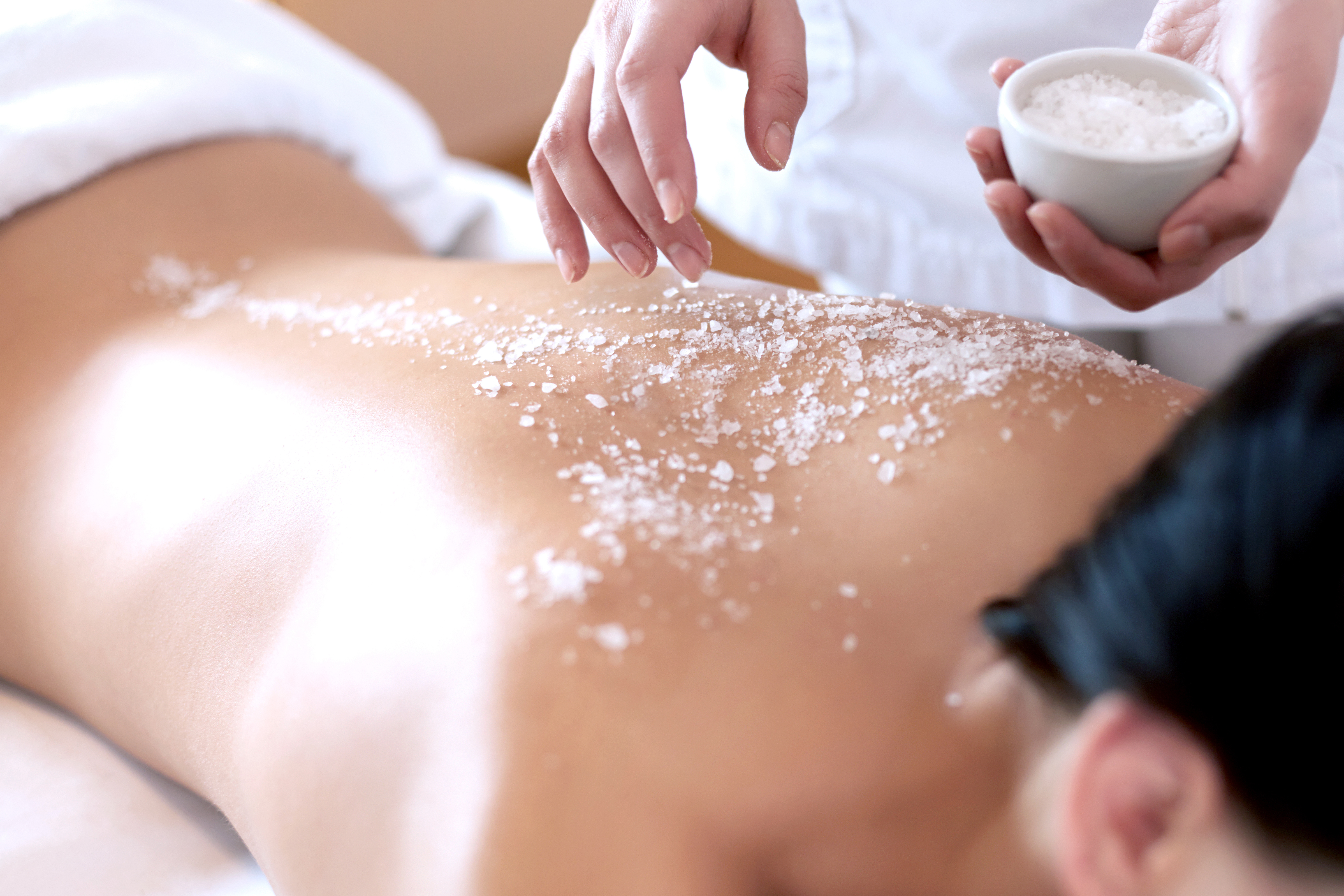
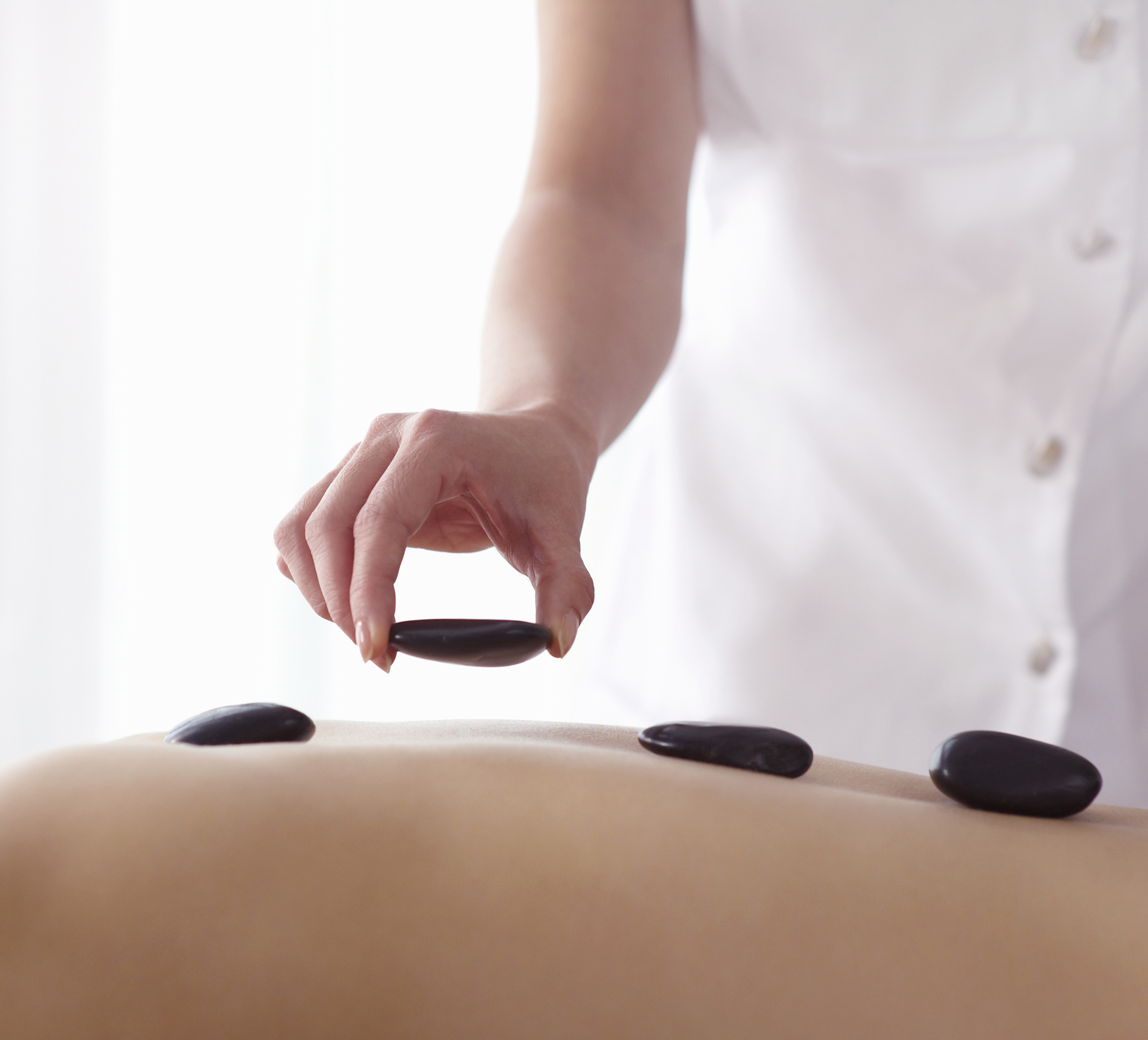
  • The 10 best natural medications for a sore back

    This is your blog post. Great looking images make your blog posts more visually compelling for your audience, so choose media that really wows. Adding fun and compelling videos is another great way to engage your audience and keep them coming back for more. Want to spice up your post with a gallery? It’s never been easier to customize your content and captivate your readers.

    Your blog comes with many beautiful design options. Click Designs to choose the one that’s right for you. To show and hide details from your blog, like the Author, Likes Counter, and more – head to Settings. Readers can easily share posts on social networks like Facebook and Twitter and view how many people have liked a post, made comments and more.

    #massage #naturalhealingways

    Share this:

    • Share on X (Opens in new window) X
    • Share on Facebook (Opens in new window) Facebook
    • Share on LinkedIn (Opens in new window) LinkedIn
    • Share on Tumblr (Opens in new window) Tumblr
    • Share on Pinterest (Opens in new window) Pinterest
    • Print (Opens in new window) Print
    • Email a link to a friend (Opens in new window) Email
    Like Loading…
  • What is a muscle knot, why does it happen and what you can do to relieve it

    This is your blog post. Blogs are a great way to connect with your audience and keep them coming back. They can also be a great way to position yourself as an authority in your field. To edit your content, click Manage Blog. From the Dashboard, you can edit posts and also add brand new posts with ease.

    Want to help visitors explore more content? Create categories. When you write a post, you can add it to up to 3 categories. These categories appear in your blog’s navigation menu, so choose categories that cover the main topics of your blog, e.g., Food, Fashion, Travel, etc. For easy navigation, it’s best to keep your category names short – 1 to 2 word titles. For a clean look on your blog’s navigation menu, we recommend 7 categories max.

    #health #massa

    Share this:

    • Share on X (Opens in new window) X
    • Share on Facebook (Opens in new window) Facebook
    • Share on LinkedIn (Opens in new window) LinkedIn
    • Share on Tumblr (Opens in new window) Tumblr
    • Share on Pinterest (Opens in new window) Pinterest
    • Print (Opens in new window) Print
    • Email a link to a friend (Opens in new window) Email
    Like Loading…
  • Brain mapping takes next step toward precision psychiatry | MDedge Psychiatry

    Extreme positive deviations were significantly higher among healthy controls (1.08% of voxels), compared with bipolar patients and schizophrenia patients (0.79%

    — Read on www.mdedge.com/psychiatry/article/176923/schizophrenia-other-psychotic-disorders/brain-mapping-takes-next-step

    Share this:

    • Share on X (Opens in new window) X
    • Share on Facebook (Opens in new window) Facebook
    • Share on LinkedIn (Opens in new window) LinkedIn
    • Share on Tumblr (Opens in new window) Tumblr
    • Share on Pinterest (Opens in new window) Pinterest
    • Print (Opens in new window) Print
    • Email a link to a friend (Opens in new window) Email
    Like Loading…
  • Docs vs NPs: Tempest in Teapot? | Medpage Today

    Physicians don’t need to worry about their turf, says nursing researcher

    — Read on www.medpagetoday.com/publichealthpolicy/workforce/75733

    Share this:

    • Share on X (Opens in new window) X
    • Share on Facebook (Opens in new window) Facebook
    • Share on LinkedIn (Opens in new window) LinkedIn
    • Share on Tumblr (Opens in new window) Tumblr
    • Share on Pinterest (Opens in new window) Pinterest
    • Print (Opens in new window) Print
    • Email a link to a friend (Opens in new window) Email
    Like Loading…
  • MD vs. DO vs. NP: What does the alphabet soup really mean?

    I completely understand having to correct people every step of the way when trying to explain the three types of practitioners (Medical Doctors (MD)s, Doctors of Osteopathy (DO)s, and Nurse Practitioners (NP)s). Sometimes I start very basic – the focus of the science.

    MD = “The physician focuses on the defect, or dysfunction, within the patient, using a problem-solving approach. The medical history, physical examination, and diagnostic tests provide the basis for the identification and treatment of a specific illness. The medical model is thus focused on the physical and biologic aspects of specific diseases and conditions,” (freedictionary, n.d.).

    DO = “A system of medicine that involves palpation and noninvasive manipulation of the musculoskeletal system in the diagnosis and treatment of physical dysfunction, in conjunction with other medical, surgical, pharmacological, and therapeutic procedures, aimed at restoring physical function and promoting the body’s ability to heal itself,” (freedictionary, n.d.).

    Nursing = “The protection, promotion, and optimization of health and abilities, prevention of illness and injury, alleviation of suffering through the diagnosis and treatment of human response, and advocacy in the care of individuals, families, communities, and populations,” (ANA, 2015, n.p.).

    So, for me it is easy to think of the three disciplines like rings. The MDs hone in on the inner most ring. That is their scope of science and it is very specific, targeted, and narrow. Given that, they should command very precise knoweldege to their target.

         The doctors of osteopathy also cover that ring but also explore rings that contain the body itself in the equation. Looking more holistically by incorporating the body’s own abilities as a healing agent. —Chiropractors focus narrowly into this idea of manipulation and body as healer. So for being rather basic we will say that the Doctor of Osteopathy is generally like a combination MD/chiropractor – but you cannot say that one is better than the other from either of those disciplines, because they are the master of those disciplines focusing specificially within them. Like the MD is master of the biology and illness. The chiroprachtor is a master of the body as healer and body manipulation. The DO just happens to blend those sciences together in their scope. Also, don’t let DOs know that I am even remotely comparing them to a chiropractor because they will hunt me down with torches and pitchforks!

    Nursing encompass all of those disciplines. Nursing science covers the disease, the dysfunction, and the body itself. However, we go rings beyond that looking at the entire system and context of the illness as we look at family systems, environment, and the community at large. We have the broadest level of science and knowledge that we are applying to our care. Although, I will probably say that we do not focus much on musculoskelatal manipulation. Therapeutic massage and some other techniques especially used in the realm of midwifery may be as far as we go for physical manipulations for healing. We probably spend a lot more time in the realm of biopsychosocial techniques.

         So obviously an MD can say that they are masters of diagnosis of illness and disease when considering biology. For crying out loud, you should be! Your science is the most narrowly defined. For DOs, again, as a generalization, (there are always exceptions to every rule) they probably won’t be as strong with the biological underpinnings of disease; but they are leaps and bounds more educated in the body as a distinct entity in being able to heal itself. They are much more holistic in their view and managment of disease. Compared to chiropractors their understanding of the biological processes of illness are very much advanced as well.

         So where does that leave nursing? Well, nurses are the most holistic of all the disiplines. We take a systems level thinking approach to medicine and the care of our patients. We have to consider all levels including the microscopic and biologic levels that the MDs consume their science with, as well as the whole body and body systems approach that the DOs take. Nurses also take it steps further by considering the context of environment, community, and family. We don’t just seek to heal and treat physical dysfunction like the MDs and DOs withing their narrow circles; we seek seek to treat the physical dysfunction and optimize health abilities overall.

    If you are visual person like me let’s consider holocracy

    Figure 1: Holons (

    https://www.businessinsider.com/how-zappos-self-management-system-holacracy-works-2015-6?r=UK&IR=T).

    Consider MDs looking at the roles (disease). The DOs look at the SUB circle (body) and the roles (disease). Nursing looks at the supercircle (environment), the (body), and the (disease).

    The science and art is a different perspective for all three. So the MD/DOs need to get over themselves trying to define us by their circle alone…and truthfully, we as nurses / NPs need to do a better job defining our science so that the free dictionary doesn’t just say nursing is “the practice or profession of caring for the sick and injured,” (freedictionary.com, n.d.). That definition doesn’t offer us anything in the way of helping others understand what we do and how we do it.

    References:

    Epstein, B., &Turner, M. (2015). The nursing code of ethics: Its value, its history. Retrieved from: http://ojin.nursingworld.org/MainMenuCategories/ANAMarketplace/ANAPeriodicals/OJIN/TableofContents/Vol-20-2015/No2-May-2015/The-Nursing-Code-of-Ethics-Its-Value-Its-History.html (Links to an external site.)

    Feloni, R. (2015). Holons [Figure 1]. Retrieved from: https://www.businessinsider.com/how-zappos-self-management-system-holacracy-works-2015-6?r=UK&IR=T

    Leng, S., (2013). The medical model vs. the nursing model: A difference in philosophy. Retrieved from: https://www.kevinmd.com/blog/2013/05/medical-model-nursing-model-difference-philosophy.html (Links to an external site.)

    Freedictionary.com (n.d.). Nursing. Retrieved from: https://www.thefreedictionary.com/nursing (Links to an external site.)

    Freedictionary.com (n.d.). Osteopathy. Retrieved from: https://www.thefreedictionary.com/osteopathy
    Share this:

    • Share on X (Opens in new window) X
    • Share on Facebook (Opens in new window) Facebook
    • Share on LinkedIn (Opens in new window) LinkedIn
    • Share on Tumblr (Opens in new window) Tumblr
    • Share on Pinterest (Opens in new window) Pinterest
    • Print (Opens in new window) Print
    • Email a link to a friend (Opens in new window) Email
    Like Loading…
  • NPs and PAs: Growing by Leaps and Bounds

    Graduates from NP and PA programs are outpacing those from medical school.

    — Read on www.medscape.com/viewarticle/898638

    Share this:

    • Share on X (Opens in new window) X
    • Share on Facebook (Opens in new window) Facebook
    • Share on LinkedIn (Opens in new window) LinkedIn
    • Share on Tumblr (Opens in new window) Tumblr
    • Share on Pinterest (Opens in new window) Pinterest
    • Print (Opens in new window) Print
    • Email a link to a friend (Opens in new window) Email
    Like Loading…
  • Nurses can make mainstream media take notice | Nurse.com Blog

    The mainstream media still does not turn to nurses when looking for healthcare sources. To change this, nurses need to start sending their messages and touting their expertise outside of their inner circles.

    — Read on www.nurse.com/blog/2018/07/03/nurses-can-make-mainstream-media-take-notice/

    Share this:

    • Share on X (Opens in new window) X
    • Share on Facebook (Opens in new window) Facebook
    • Share on LinkedIn (Opens in new window) LinkedIn
    • Share on Tumblr (Opens in new window) Tumblr
    • Share on Pinterest (Opens in new window) Pinterest
    • Print (Opens in new window) Print
    • Email a link to a friend (Opens in new window) Email
    Like Loading…
  • N-acetylcysteine: A potential treatment for substance use disorders | MDedge Psychiatry

    Pharmacologic treatment options for many substance use disorders (SUDs) are limited. This is especially true for cocaine use disorder and cannabis use disorder,

    — Read on www.mdedge.com/psychiatry/article/166364/addiction-medicine/n-acetylcysteine-potential-treatment-substance-use

    Share this:

    • Share on X (Opens in new window) X
    • Share on Facebook (Opens in new window) Facebook
    • Share on LinkedIn (Opens in new window) LinkedIn
    • Share on Tumblr (Opens in new window) Tumblr
    • Share on Pinterest (Opens in new window) Pinterest
    • Print (Opens in new window) Print
    • Email a link to a friend (Opens in new window) Email
    Like Loading…
  • Why Doctors Are Running Out of Empathy – Member Feature Stories – Medium

    Walking up to the door of the waiting room, I knew what lay behind it. The gnawing torment would start the day before, or sometimes two days prior. Three parts nausea, two parts dread, and a dash of…

    — Read on medium.com/s/story/what-lies-behind-the-waiting-room-door-7984641e6cdb

    Share this:

    • Share on X (Opens in new window) X
    • Share on Facebook (Opens in new window) Facebook
    • Share on LinkedIn (Opens in new window) LinkedIn
    • Share on Tumblr (Opens in new window) Tumblr
    • Share on Pinterest (Opens in new window) Pinterest
    • Print (Opens in new window) Print
    • Email a link to a friend (Opens in new window) Email
    Like Loading…
  • Ashwagandha Benefits for the Brain, Thyroid & Even Muscles – Dr. Axe

    Ashwagandha is an adaptogenic herb popular in Ayurvedic medicine. Ashwagandha benefits help lowers cortisol, balance thyroid hormones, combat stress and depression, and even build muscle. Find out how much you should potentially use.

    — Read on draxe.com/ashwagandha-benefits/

    Share this:

    • Share on X (Opens in new window) X
    • Share on Facebook (Opens in new window) Facebook
    • Share on LinkedIn (Opens in new window) LinkedIn
    • Share on Tumblr (Opens in new window) Tumblr
    • Share on Pinterest (Opens in new window) Pinterest
    • Print (Opens in new window) Print
    • Email a link to a friend (Opens in new window) Email
    Like Loading…
Previous Page
1 2 3 4 … 7
Next Page

Proudly Powered by WordPress.com

  • Subscribe Subscribed
    • Home | Jessica Giddens DNP, BA, APRN, PMHNP-BC, RN-BC |
    • Already have a WordPress.com account? Log in now.
    • Home | Jessica Giddens DNP, BA, APRN, PMHNP-BC, RN-BC |
    • Subscribe Subscribed
    • Sign up
    • Log in
    • Report this content
    • View site in Reader
    • Manage subscriptions
    • Collapse this bar
%d